Business Efficiency with AI and the evolution of automated interaction platforms
Enhancing Organization Efficiency With AI: the Function of Conversational AI in Modern Operations
In today's busy company landscape, companies are progressively transforming to AI to improve efficiency (Business Efficiency with AI). Conversational AI sticks out as a crucial tool, automating customer communications and improving interior communications. By streamlining these processes, organizations can accelerate and minimize prices decision-making. The true potential of conversational AI extends past simple automation. What particular benefits does it give modern operations, and just how can business efficiently apply it to drive growth?
Recognizing Conversational AI and Its Capacities
As organizations increasingly seek cutting-edge options to enhance performance, comprehending conversational AI comes to be necessary. This innovation leverages all-natural language processing and artificial intelligence to facilitate human-like interactions with users. By responding and translating to inquiries, conversational AI can enhance operations and supply important understandings right into client preferences and behaviors.
The capabilities of conversational AI expand beyond standard conversation performances. It can handle complicated questions, maintain context over conversations, and adjust to individual customer demands, thereby producing a customized experience. Additionally, its combination with numerous platforms enables smooth interaction throughout networks, ensuring that companies stay accessible to their clients.
Conversational AI systems can evaluate huge amounts of data to recognize trends, which can notify calculated decision-making. This not only improves functional efficiency yet likewise sustains advancement by enabling businesses to react swiftly to market adjustments and consumer demands.
Automating Customer Communications for Improved Complete Satisfaction
While companies intend to boost customer satisfaction, automating consumer interactions has emerged as a crucial technique. By leveraging conversational AI, companies can enhance reactions to customer inquiries, ensuring timely and precise info distribution. This technology enables 24/7 schedule, which substantially minimizes delay times and enhances availability for clients.
Automation can deal with recurring jobs, such as order tracking and regularly asked questions, releasing up human representatives to focus on more complex concerns. This not only enhances operational effectiveness however likewise causes a more individualized client experience, as automated systems can evaluate previous interactions to customize actions.
The application of chatbots and online aides helps to preserve a consistent brand voice while gathering useful data for future renovations. Ultimately, automating customer interactions promotes greater complete satisfaction levels, as clients value much faster resolutions and seamless interaction, strengthening their loyalty to the brand name.
Enhancing Interior Communication Across Teams
Effective inner communication is vital for a company's success, and AI modern technologies can greatly boost this aspect. By simplifying information sharing and giving real-time collaboration devices, teams can function a lot more effectively and remain involved. This transformation results in enhanced cooperation and a much more natural job setting.
Streamlined Details Sharing
When companies implement AI-driven devices for info sharing, they can substantially improve inner communication across groups. These devices promote the smooth exchange of details, making certain that staff members have accessibility to relevant data at their fingertips. By leveraging conversational AI, companies can simplify queries and feedbacks, reducing the time spent looking for details. This not only decreases miscommunication but also cultivates a society of partnership, as groups can promptly straighten on tasks and share understandings. Furthermore, AI tools can focus on and categorize information, making it less complicated for staff members to locate crucial sources. Because of this, inner interaction ends up being extra reliable, equipping groups to concentrate on critical jobs as opposed to getting slowed down by information overload.
Real-Time Cooperation Equipments
Structure on the foundation of structured information sharing, real-time partnership devices play a crucial role in boosting interior communication throughout groups. These tools promote prompt exchanges of ideas, allowing teams to collaborate properly despite geographical obstacles. By integrating functions such as instantaneous messaging, video conferencing, and collective file modifying, companies foster a culture of transparency and responsiveness. Additionally, these tools enable for the smooth combination of fabricated knowledge, which can automate job projects and give instant feedback, thereby improving efficiency. With real-time partnership, workers can resolve issues as they occur, decreasing delays and misunderstandings. Eventually, the application of such tools cultivates a more natural workplace, necessary for driving projects ahead effectively.
Enhanced Team Involvement
Enhancing group interaction is vital for fostering an inspired labor force, as it directly affects productivity and morale within a company. Conversational AI plays a pivotal function in enhancing inner interaction across teams by helping with seamless interactions. Via chatbots and virtual assistants, staff members can promptly access information, share updates, and provide responses without the hold-ups connected with typical interaction methods. This modern technology motivates collaboration by breaking down silos, making it possible for cross-departmental discussion, and ensuring every person remains straightened with business goals. Personalized AI-driven insights can aid determine involvement degrees, allowing administration to attend to issues proactively. Ultimately, enhanced team involvement via conversational AI not just reinforces connections amongst staff members yet likewise drives overall service effectiveness.
Increasing Decision-Making Procedures
Artificial Knowledge (AI) significantly enhances decision-making procedures throughout numerous business industries. By using sophisticated formulas and data analytics, AI makes it possible for organizations to examine large amounts of details quickly and accurately. This ability allows services to determine patterns and understandings that may otherwise remain unnoticed, facilitating more educated choices.
Conversational AI, specifically, plays a pivotal function in improving these procedures by making it possible for real-time communication and details retrieval. Employees can engage with AI systems to posture concerns and receive prompt comments, decreasing the moment invested in research study and deliberation. Furthermore, AI assists in reviewing several scenarios and supplying predictive insights, which additionally speeds up the decision-making timeline.
Inevitably, the combination of AI innovations cultivates a culture of agility and responsiveness within business, encouraging leaders to make timely decisions that straighten with dynamic market problems. This transformative influence on decision-making highlights the importance of AI in modern-day operational approaches.
Reducing Operational Expenses With AI Assimilation
AI assimilation plays a necessary function in reducing functional costs by enhancing procedures and automating regular tasks. This innovation enhances resource appropriation efficiency, allowing companies to enhance their labor force and products properly. As a result, companies can attain considerable cost savings while preserving productivity levels.
Structured Processes and Automation
As services progressively look for ways to lessen operational expenses, the integration of smart automation innovations has actually emerged as a crucial remedy. This strategy simplifies processes by automating repeated jobs, consequently minimizing the requirement for hands-on treatment. By employing conversational AI, organizations can boost consumer involvement while ensuring efficient handling of inquiries, which leads to quicker resolutions and increased contentment. In addition, automating operations speeds up and minimizes mistakes response times, allowing groups to focus on calculated efforts as opposed to regular procedures. The result is a much more dexterous company setting where sources are used much more successfully. Consequently, the integration of AI not only aids in cutting expenses however likewise promotes technology via the reallocation of human ability to even more value-added activities.
Enhanced Resource Allowance Efficiency
Efficient source allowance stands as a foundation for minimizing functional prices in modern-day services. By leveraging synthetic intelligence, companies can analyze data patterns and predict resource needs more precisely. Conversational AI plays a pivotal duty in this process, allowing real-time interaction and decision-making. It can automate scheduling, manage supply, and enhance workforce deployment, making certain that resources are made use of efficiently. This not just minimizes waste however likewise boosts productivity. On top of that, AI-driven insights permit services to recognize locations of over-expenditure and simplify procedures appropriately. As organizations welcome AI assimilation, they experience substantial expense reductions while boosting total functional performance. Ultimately, improved source allowance with AI positions businesses to thrive in significantly affordable markets.
Leveraging Information Insights for Strategic Preparation
Exactly how can organizations harness information understandings to educate their critical preparation? By using sophisticated analytics and data-driven techniques, organizations can acquire valuable understandings that directly affect their calculated choices. Conversational AI tools play a substantial role in this process by collecting and analyzing huge quantities of data from customer communications, market patterns, and functional metrics.
These insights allow organizations to recognize emerging possibilities and potential threats, enabling for educated decision-making. Predictive analytics powered by AI can project future trends, aiding in the formula of aggressive approaches. By leveraging real-time information, business can adjust their approaches quickly to line up with market characteristics.
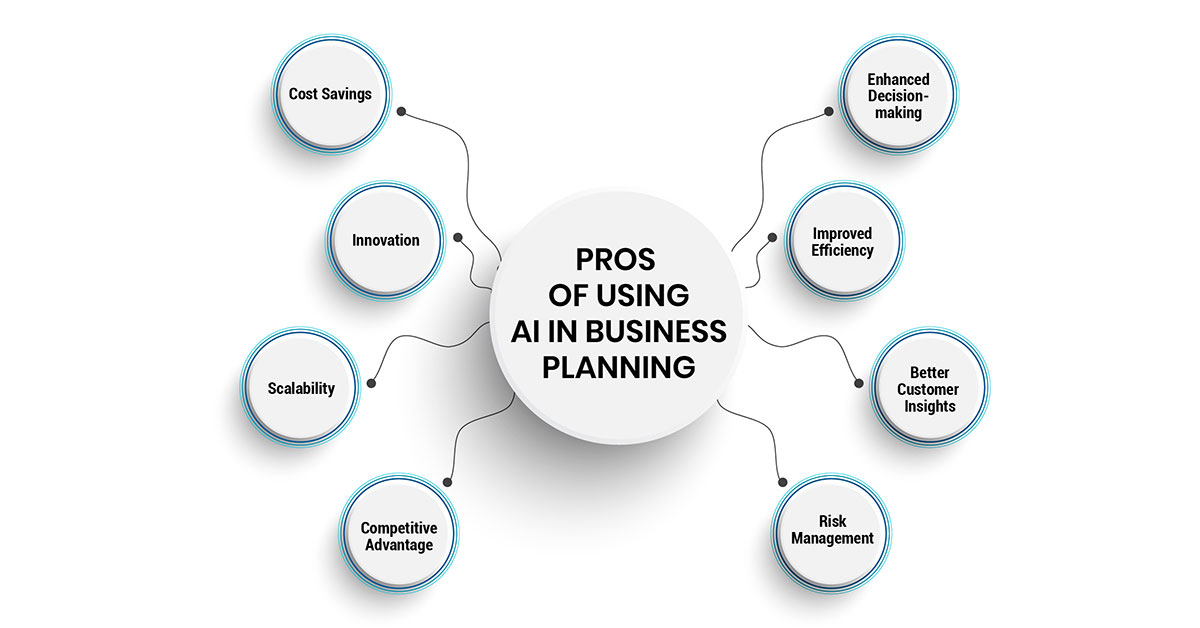
Instance Studies: Successful Execution of Conversational AI
Organizations increasingly acknowledge the worth of conversational AI in boosting functional performance and customer interaction. A remarkable case is that of a leading retail read more company that applied a chatbot to deal with client questions. This lower response times by 60%, allowing human agents to concentrate on intricate concerns, inevitably enhancing client fulfillment rankings.
In another instance, a monetary solutions solid integrated conversational AI into its customer support procedures, causing a 30% decline in call quantity. The AI system successfully handled routine inquiries, liberating personnel for higher-level tasks and improving general solution high quality.
Furthermore, a medical care supplier made use of conversational AI for consultation scheduling and patient follow-ups. This initiative structured operations, leading to a 40% rise in consultation bookings and improved patient involvement.
These case studies illustrate how organizations can take advantage of conversational AI to maximize procedures, enhance consumer experiences, and achieve considerable functional end results.
Often Asked Questions

How Do I Choose the Right Conversational AI Platform for My Company?
To select the right conversational AI system, one must analyze service requirements, review scalability, consider integration abilities, contrast pricing versions, take a look at user testimonials, and prioritize platforms offering durable support and customization choices tailored to specific needs.
What Are the Common Obstacles in Carrying Out Conversational AI?
Usual challenges in applying conversational AI include assimilation with existing systems, ensuring all-natural language understanding, managing individual assumptions, dealing with information privacy problems, and securing appropriate training and support for both users and employees. - Business Efficiency with AI
How Can I Gauge the Success of Conversational AI Initiatives?
Success of conversational AI efforts can be gauged via metrics such as customer engagement, response accuracy, customer complete satisfaction scores, expense financial savings, and total effect on functional performance, providing an extensive sight of efficiency and renovation locations.
What Industries Benefit the Many From Conversational AI Solutions?
Industries such as retail, client, financing, and healthcare service experience significant take advantage of conversational AI services. These markets leverage AI to boost consumer communications, simplify procedures, and enhance total efficiency, inevitably driving greater contentment and involvement.
Just How Does Conversational AI Incorporate With Existing Software Equipments?
Conversational AI incorporates effortlessly with existing software program systems by making use of APIs, allowing data exchange and boosting individual experiences. This interoperability allows organizations to improve and enhance process interaction throughout various platforms, fostering greater operational effectiveness.
Conversational AI stands out as an important device, automating client communications and boosting internal interactions. As organizations progressively look for innovative options to boost effectiveness, recognizing conversational AI comes to be important. Conversational AI, in certain, plays an essential duty in improving these processes by allowing real-time interaction and information access. Organizations significantly acknowledge the value of conversational AI in boosting functional efficiency and client involvement. Conversational AI integrates seamlessly with existing software application systems by using APIs, enabling data exchange and enhancing customer experiences.